

Staff Sgt. Christopher Diggs-Goff, 40th Airlift Squadron loadmaster, tests the 2PUG chemical, biological, radiological and nuclear protective suit during preflight checks on a C-130J Super Hercules at Dyess Air Force Base, Texas, Jan. 13, 2022. WarU Field Training Teams support rapid acquisition and sustainment of the 2PUG, part of the Uniform Integrated Protection Ensemble Family of Systems. (Photo by Senior Airman Colin Hollowell, 7th Bomb Wing)
by Rebecca Wright
The Warfighting Acquisition University’s (WarU) Field Training Teams represent a new era in Army acquisition. By offering bespoke consulting, customized training and active support from experts, members of the Army Acquisition Workforce can expedite weapons manufacturing and fielding. With the establishment of Field Training Teams, a highly successful Army-Marine Corps collaborative effort, WarU is stepping outside of the traditional classroom and offering hands-on training with real-world battlefield execution.
Program offices can now partner with WarU’s Field Training Teams—experienced acquisition professionals, dedicated to advancing a program office’s organizational goals through custom advisory services, coaching and troubleshooting—free of charge.
One program office leveraging this service is the Portfolio Acquisition Executive for Layered Protection and Integration’s Joint Project Manager for Chemical, Biological, Radiological and Nuclear (JPM CBRN) Protection. With the support of its Field Training Team, JPM CBRN Protection is advancing beyond equipment delivery to providing ready-to-fight capability.
ADVANCING PROGRAM OFFICE OBJECTIVES
JPM CBRN Protection provides the joint force with integrated, layered and operationally relevant CBRN defense capabilities that enable individual protection, hazard mitigation and collective protection. Its portfolio includes the Next Generation Individual Protection (NGIPP) Program—a new U.S. military initiative to replace legacy chemical and biological suits and equipment with more modular, adaptable and upgradeable gear. This program will include equipment such as suits, gloves and respirator masks.
Traditionally, fielding equipment was hindered by delayed communication between the field and equipment developers. By partnering with a dedicated Field Training Team to establish a continuous, direct-to-warfighter presence, the teams can bridge the communication gap by providing hands-on training on how the NGIPP systems can integrate with legacy equipment. This communication captures real-world feedback from users and ensures that the feedback is relayed to the joint project managers in real time rather than waiting months or years using the standard reporting channels.
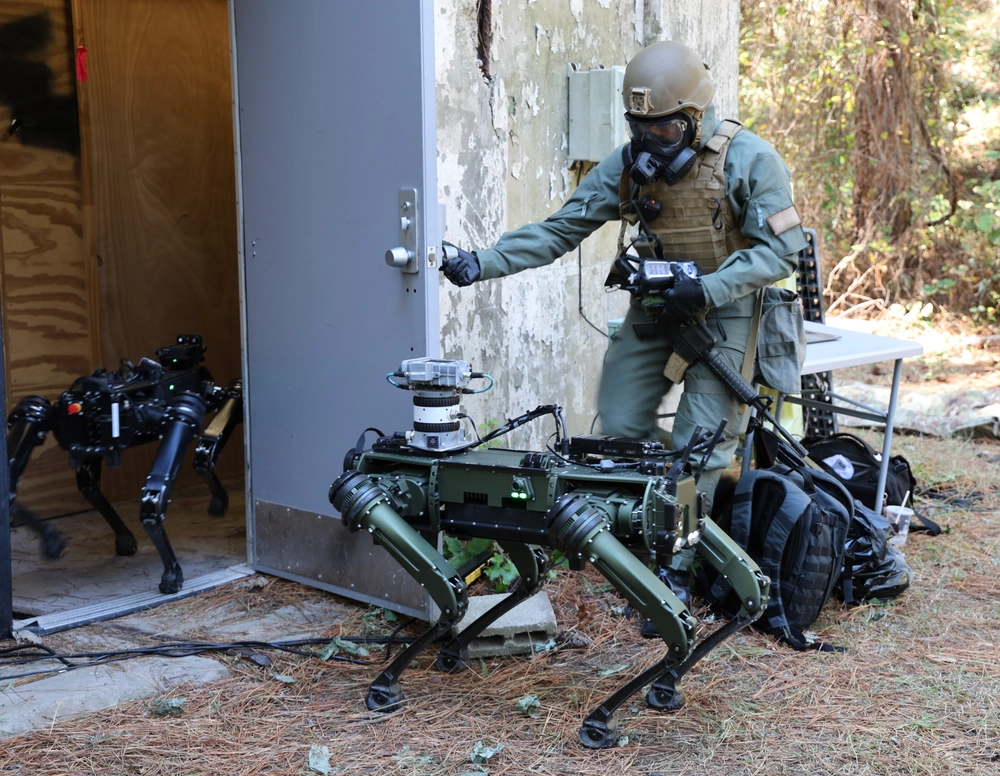
The primary goal is to ensure that warfighters receive a fully integrated and fully supported capability—not merely a piece of hardware. The Field Training Teams provide New Equipment Training (NET) to transfer system knowledge from the developer to the operational unit—enabling effective operation and maintenance. The teams—comprised of technicians from the Marine Corps Logistics Command Class II Sustainment Program (CIISP) who are trained and certified in new CBRN programs—are responsible for managing total package fielding and NET processes.
Typically, centralized training relies on generic simulators and a “one-size-fits-all” instruction. As a result, warfighters may be unfamiliar with the equipment and specific maintenance histories of the systems they will deploy with. The Field Training Teams embed certified instructors in operational environments to train crews on their deployment assets. This approach replaces generic instruction with personalized training, troubleshooting and consultation, resulting in a higher level of tactical readiness. By customizing training in specific operating styles, the Field Training Teams can ensure that new equipment supports the specific mission of each military branch, and they can provide users with hands-on combat drills on how to use the equipment, especially in high-pressure situations. Additionally, Field Training Team operators can educate equipment maintainers on repairs, diagnostics and ordering spare parts.
THE TWO-PIECE UNDERGARMENT (2PUG)
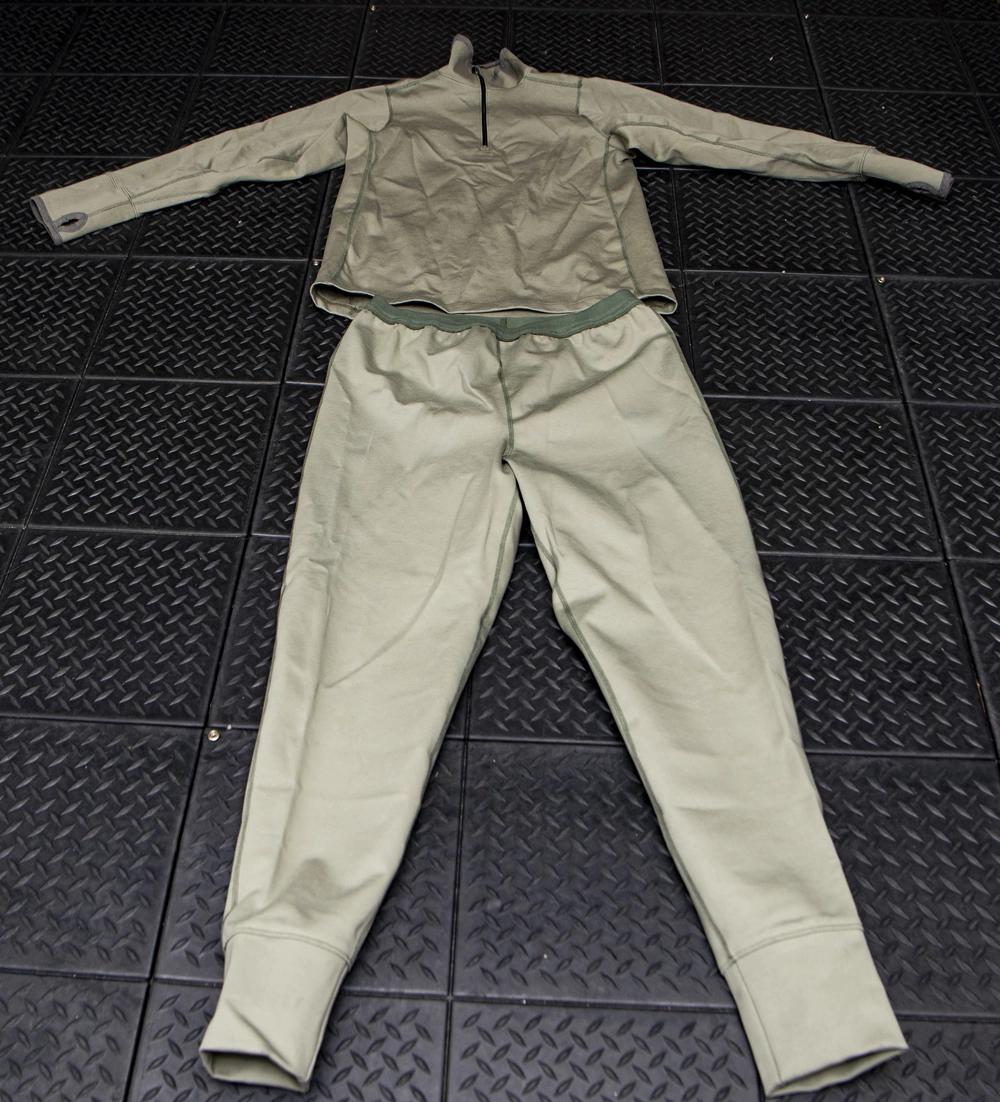
WarU’s Field Training Teams are already supporting fielding and the integration of new warfighting equipment, such as the Two-Piece Undergarment (2PUG). The 2PUG, part of the Uniform Integrated Protection Ensemble Family of Systems, is a chemically protected undergarment designed to be worn by aviation personnel under standard flight suits. Resembling “long-john” thermal underwear, the 2PUG provides protection from chemical agents and aerosols for up to 120 hours of wear-time with a service life of 120 days.
The 2PUG is designed to reduce thermal burden and improve increased mobility for the warfighter. When service members first tried on the 2PUG, the initial reaction highlighted comfort, ease of use and the temperature regulation. The 2PUG is made of lightweight material that reduces heat buildup, which lowers the risk of heat-related illness or casualties. Service members also reported less fatigue and lower mental stress while wearing the upgraded suit.
Traditionally, new equipment often arrives in the field without instruction manuals, specialized tools or certified operators. Serving as force multipliers and the hands-on extension of WarU’s training doctrine, the Field Training Teams do far more than distribute the 2PUG; they train the users on the deployment of their equipment and gather warfighter feedback that is used to reshape CBRN defense. This feedback may be used for future equipment design updates.
Once training is complete, the Field Training Teams conduct surveys requesting data on how courses can be improved. On-the-spot hot washes are also conducted as a means to capture unfiltered reactions complemented by instructors quietly observing and noting where students struggle, show frustration or improvise with the equipment. This method is used to track any potential design flaws that users may not consider reporting afterwards.
CONCLUSION
By combining the rollout of the 2PUG on-site NET, these teams are reducing the timeline between procurement and deployment to the battlefield, ensuring technology is usable the day it arrives. This not only accelerates the initial operational capability but also allows warfighters to use new technology as soon as it arrives. While WarU provides the strategic advisory framework, CIISP provides the direct technical expertise, certified instructors and physical logistics management for fielding.
Under the Field Training Team model, the joint force can keep pace with rapid technological changes and are never left with incomplete, unsupported systems. For the program offices, the ultimate reward is delivering capabilities, like the 2PUG, to the warfighter, ensuring they are protected and positioned for mission success.
For more information, go to https://www.waru.edu/guidebook/ftt-and-fts/strategic-partnership-through-field-training-teams.
REBECCA WRIGHT is a writer and editor at the U.S. Army Acquisition Support Center’s Director of Acquisition Career Management Office at Fort Belvoir, Virginia. Before USAASC, she served as an explosive ordnance disposal technical writer at NSWC Indian Head. She has more than 16 years of experience writing and editing for the DoW and the U.S. Department of Justice.
Recent Posts
Read more of our recent Behind The Frontlines Posts.

FIELD TRAINING TEAMS AND 2PUG SUITS KEEP WARFIGHTERS READY

ARMY RECOGNIZES 2026 ACQUISITION HALL OF FAME INDUCTEES
A LITTLE INTEREST GOES A LONG WAY – ALEX TOMOSIESKI